Heritage as a Classroom: Mai HSIN TUNG YANG Foundation Advances Organic Food Education to Foster Lifelong Sustainability.

- Copied


2026.07.22
Sustainability Initiatives
Heritage as a Classroom: Mai HSIN TUNG YANG Foundation Advances Organic Food Education to Foster Lifelong Sustainability.
In July 2026, the Mai HSIN TUNG YANG Foundation partnered with the Xinyang Foundation and Peifang Organic Farm to launch the "Dadaocheng Agri-Food Expedition," an impactful experiential learning initiative designed for children from the Taiwan I Love You Social Welfare Association. Centered around the historic "HSIN TUNG YANG Dihua 100" and the Dadaocheng historic district, the project integrated organic farming lessons led by Top 100 Young Farmers, heritage street exploration, personal potted plant cultivation, hands-on culinary practice, and an intergenerational final exhibition.
Stepping Beyond Air-Conditioned Classrooms: Sensory Learning in Historic Alleys
Summer vacation is not merely an escape from textbooks; it provides a vital window into real-world living. For urban youth, food on the dinner table may feel everyday, yet the narrative of where ingredients originate, how they are grown, and how they travel into daily routines is rarely experienced firsthand.
Food is more than daily nourishment; it is a foundational starting point for understanding how humans interact with nature. The Mai HSIN TUNG YANG Foundation holds firm to the belief that the most profound learning arises from genuine lived practice. In the summer of 2026, the Foundation expanded the classroom beyond traditional walls into historic streets and organic green spaces. By connecting the rich heritage of an old neighborhood, the growth of a seed, and a self-prepared lunch, the initiative led children on a multi-sensory adventure, rebuilding a warm and grounded connection with the land.
Three Core Milestones of the Dadaocheng Agri-Food Expedition
Held on July 14, 15, and 21 (Final Exhibition), 2026, the program systematically linked cultural immersion, organic production knowledge, and self-directed exhibition design:
1. Exploring Century-Old Dadaocheng: The Historic District as a Living Classroom
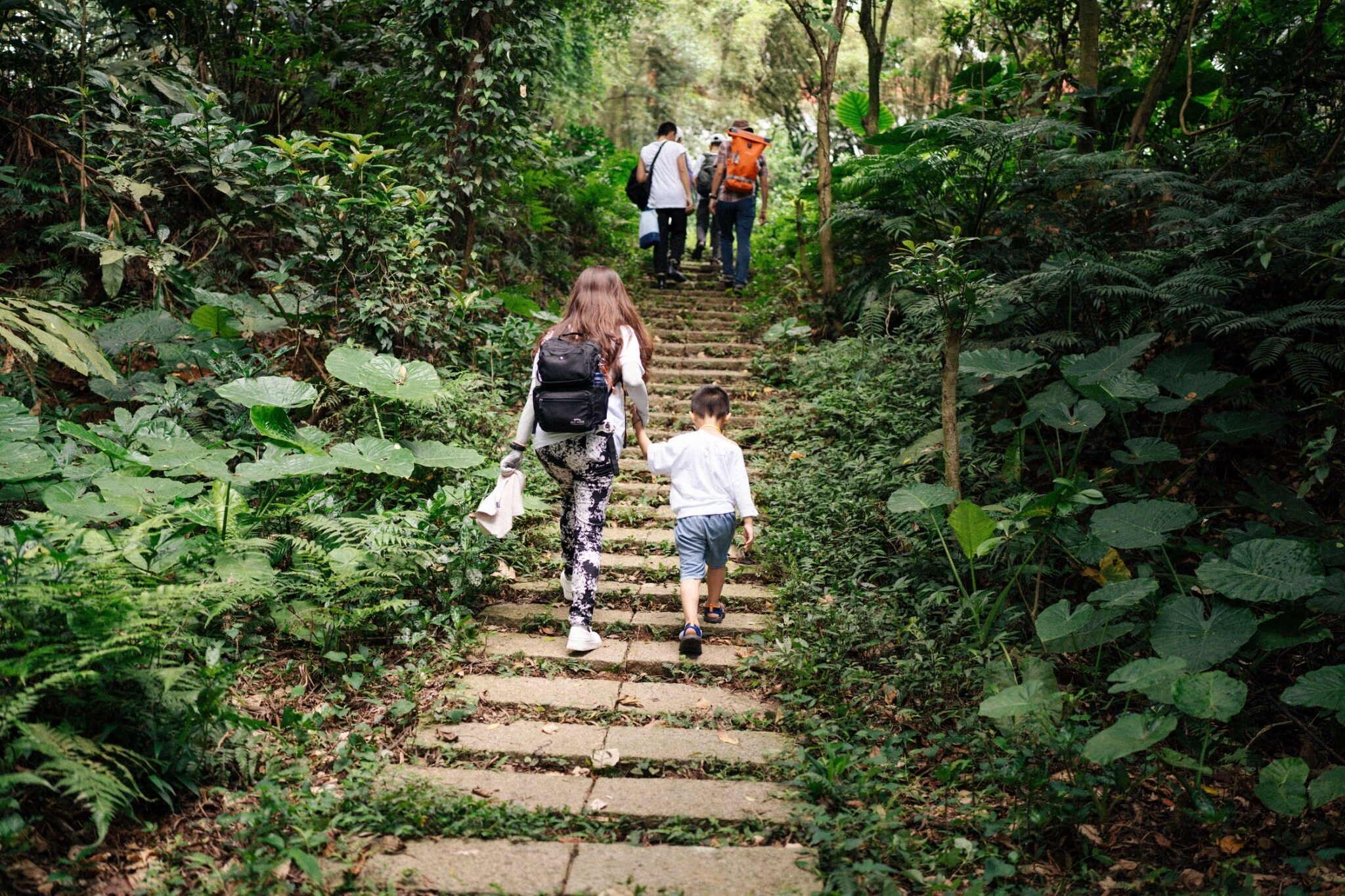
Setting off from HSIN TUNG YANG Dihua 100—a restored heritage shophouse—the expedition explored Dihua Street through gamified quest challenges:
Cultural Landscape Discovery: Navigating among Baroque and traditional southern Fujian shophouses, the historic Taipei Xia-Hai City God Temple, and traditional grocery trading storefronts.
Living Local Memory: Through active walking, observing, and interviewing, students gathered the historical pulse and lived memories of this historic merchant quarter, transforming textbook history into tangible life knowledge.
2. Organic Agri-Food Masterclasses: Hands-on Plant Life Lessons
Award-winning Top 100 Young Farmers delivered interactive sessions on organic cultivation, helping children understand the vital link between modern agriculture and ecological sustainability:
Decoding Eco-Labels: Explaining the concepts of organic farming, food miles, and the "3 Labels and 1 Q" certified safe agricultural standards, highlighting the environmental value of eating seasonal produce.
Personal Plant Cultivation: Under expert guidance, each child experienced soil preparation, sowing, and caring for their own potted plant to take home, while recording daily field observations and reflections in an "Agri-Food Diary."
Culinary Exploration: During lunch sessions, children prepared dishes from scratch, following the full transition of farm ingredients to the table.
3. Child-Led Final Exhibition: Evolving from Eaters to Cultural Ambassadors
On the third day, the final exhibition broke away from traditional assessments by empowering children to form teams, select themes, and curate their own interactive booths:
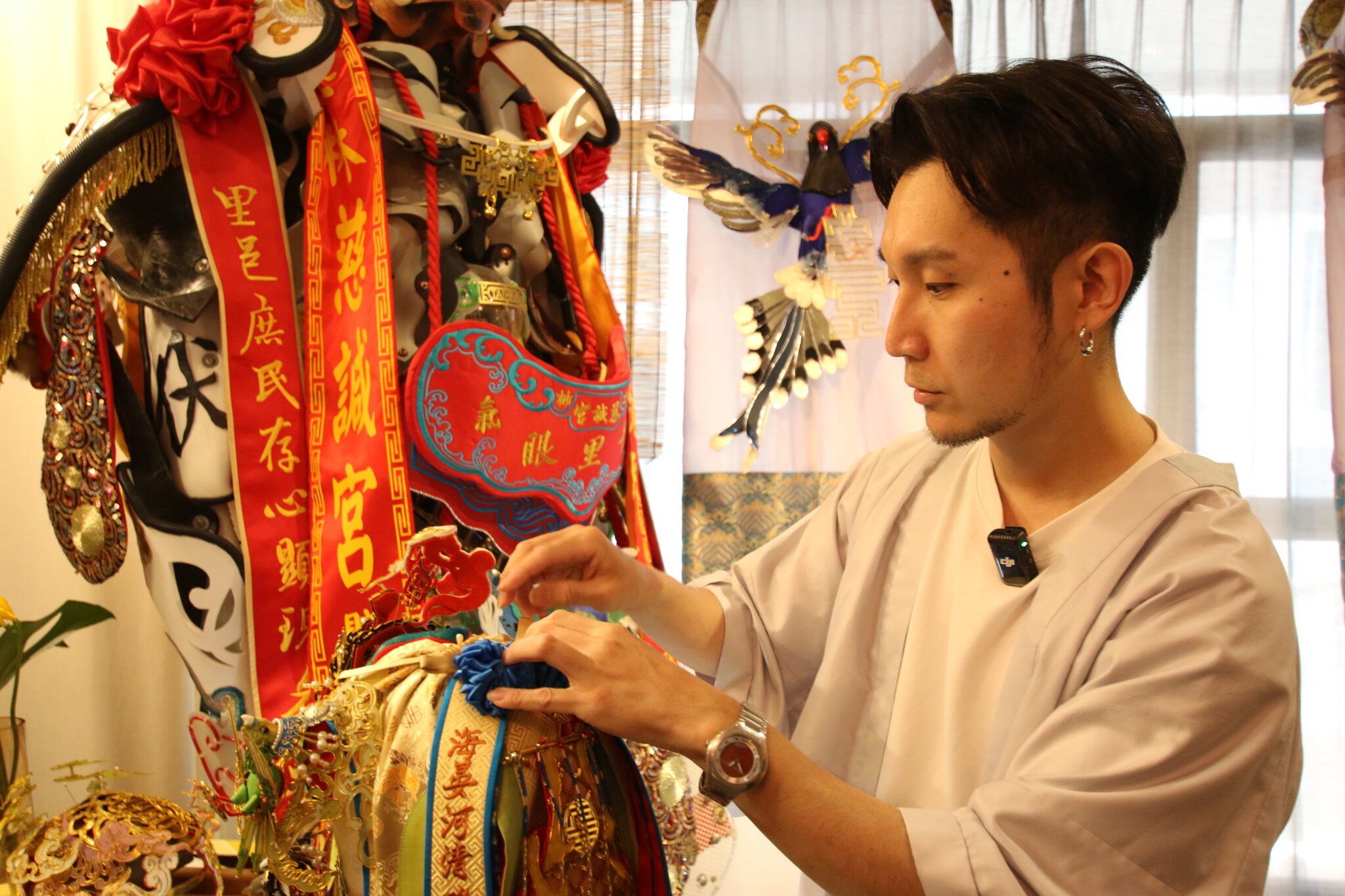
Multi-Angle Storytelling: Students translated street explorations and farming knowledge into visual booths like "Dadaocheng Time Machine" and "Organic Eco-Farming," using hand-drawn posters, narrative storytelling, and traditional crosstalk comedy to present their findings.
Parent-Child Community Cooking: Each group prepared a hot dish from scratch to serve to parents, volunteers, and local elders, fostering gratitude and community sharing.
Project Outcomes & ESG Performance
Evaluation Dimension | Scale & Indicators | Key Impact & Concrete Implementation |
|---|---|---|
Cross-Sector Collaboration | 4 cross-disciplinary organizations | Mai HSIN TUNG YANG Foundation, Xinyang Foundation, Peifang Organic Farm, Taiwan I Love You Social Welfare Association |
UN SDG Alignment | 3 UN Sustainable Development Goals | SDG 4 (Quality Education), SDG 11 (Sustainable Cities and Communities), SDG 12 (Responsible Consumption and Production) |
Place-Based Engagement | In-depth exploration of historic landmarks | HSIN TUNG YANG Dihua 100, Dadaocheng historic streets, traditional grocery shopping districts |
Applied Food Education | 100% participation in planting and cooking | Mastered organic concepts and food miles; cultivated personal plants with written diary records |
Youth Empowerment | Team-curated exhibitions and reciprocal sharing | Autonomously curated booths; artistic interpretations of historic culture; shared self-prepared meals with families |
Stakeholder Testimonials
Parent, Taiwan I Love You Social Welfare Association: "Seeing my child grow from needing continuous care to serving us a delicious lunch prepared entirely by hand was both surprising and deeply moving."
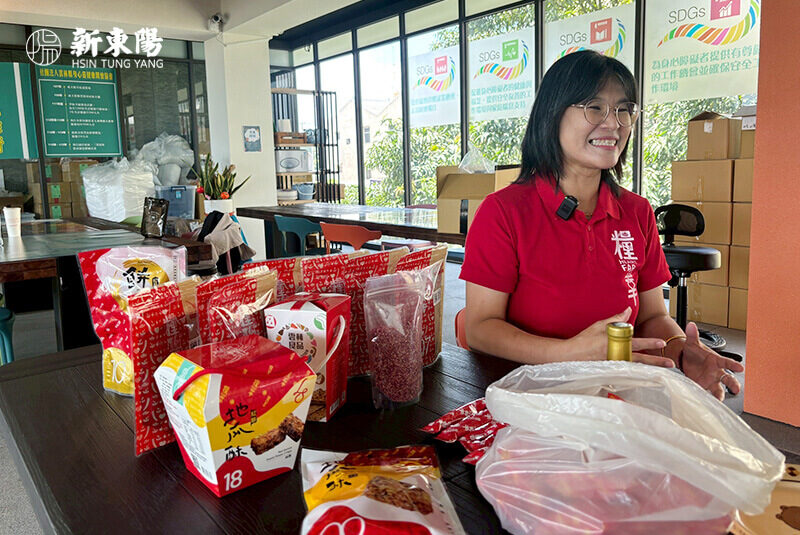
Linda, Instructor at Peifang Organic Farm: "When the children explained organic vegetables and the '3 Labels and 1 Q' certification at their 'Organic Eco-Farming' booth, it proved they truly internalized the lessons into practical life skills."
Project Team, Mai HSIN TUNG YANG Foundation: "Seeing children recreate Taiwanese painter Kuo Hsueh-hu's famous work Festival on South Street from their own street observations—capturing its essence and vitality—demonstrated their remarkable observational power and cultural absorption."
Seeds of Stewardship: Lifelong Nourishment from Land and Food
The Mai HSIN TUNG YANG Foundation continues to advance place-based food and agriculture education, inspiring the next generation to witness the vastness of the land through food and understand the sustainable relationship between people and their environment.
Education is never confined to a classroom; a historic street, an open market, a small seed, or a self-prepared meal can each serve as a launchpad for discovering the world. Looking ahead, the Foundation will continue to use HSIN TUNG YANG Dihua 100 as an ongoing base for culture and food education, broadening community mentorship programs so more children can head outdoors, engage with the soil, and carry sustainable values into the future.
Frequently Asked Questions (FAQ)
Q1: What was the primary mission of the Dadaocheng Agri-Food Expedition?
A1: Organized by the Mai HSIN TUNG YANG Foundation and partner groups, the project integrated organic farming education with historic street exploration for youth. By investigating Dihua Street, planting organic seedlings, and cooking fresh meals, children built a practical understanding of food miles and traceability while developing balanced dietary awareness.
Q2: How did the program incorporate sustainable agriculture and environmental education?
A2: Top 100 Young Farmers delivered practical instruction on organic principles, seasonal consumption, and the "3 Labels and 1 Q" certification. Children directly handled soil and seeds, cared for their own potted plants, and tracked daily biological growth through reflection diaries to build environmental responsibility.
Q3: How does this initiative reflect HSIN TUNG YANG’s ESG strategy?
A3: The initiative fulfills HSIN TUNG YANG's ESG Social commitments by aligning with UN SDGs 4 (Quality Education), 11 (Sustainable Cities), and 12 (Responsible Consumption). By activating historic spaces, bridging cross-sector resources, and empowering youth, the project generates enduring community value.
- Copied