Hsin Tung Yang Joins a Youth Sustainability Exchange: How Can the Food Industry Put Sustainability into Practice?

- Copied



2026.09.14
Sustainability Initiatives
Hsin Tung Yang Joins a Youth Sustainability Exchange: How Can the Food Industry Put Sustainability into Practice?
Hsin Tung Yang puts sustainability into practice through green manufacturing, clean-label formulations, product carbon and water footprint assessments, age-friendly foods, and traceability management. On September 12, 2026, Hsin Tung Yang was invited to an exchange hosted by the youth sustainability community Yong Yu Suo, where participants shared ideas and explored how traditional food companies can drive sustainable transformation across factories, products, and supply chains.
Bringing Food Sustainability into Everyday Life
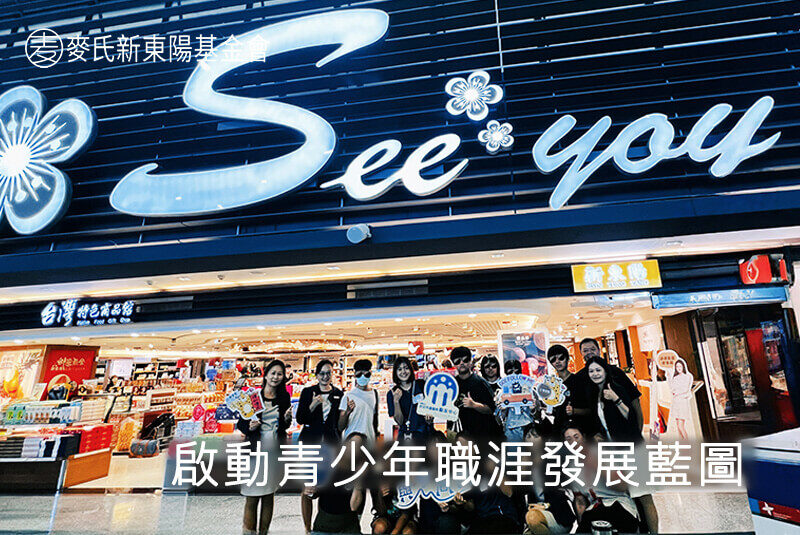
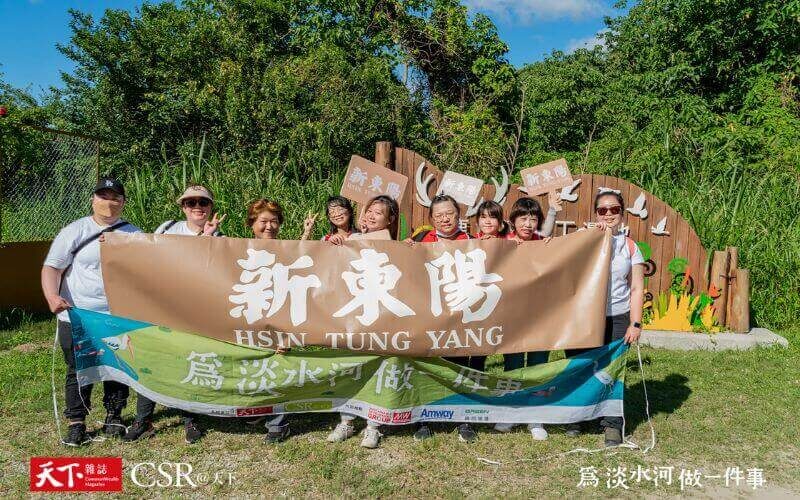
On September 12, 2026, Hsin Tung Yang joined more than 100 sustainability professionals and advocates at an exchange hosted by Yong Yu Suo. The event took place at the BEONE Future Coexistence Hub, a venue built around circular design and material reuse.
During the event, Hsin Tung Yang shared how it brings sustainability into food production and everyday consumption through green manufacturing, clean-label formulations, carbon and water footprint assessments, age-friendly foods, and product traceability. The discussion showcased a new side of the heritage brand as it approaches its 60th anniversary.
What Is Hsin Tung Yang Doing to Make Food More Sustainable?
Hsin Tung Yang is advancing food sustainability in five key areas:
- Operating Taiwan’s first certified Green Factory in the food industry.
- Promoting Clean Label products based on 16 no-additive principles.
- Assessing the carbon and water footprints of its products.
- Developing age-friendly foods for people at different life stages.
- Establishing dual traceability systems from production sources to retail channels.
Taiwan’s First Certified Green Factory in the Food Industry
Hsin Tung Yang’s Dayuan Factory was the first food factory in Taiwan to receive the Green Factory certification from the Ministry of Economic Affairs. It meets both Green Building and Cleaner Production requirements.
The factory uses rooftop solar power, energy management systems, wastewater treatment, and retort cooling-water recycling to improve energy and water efficiency while reducing environmental impact at the source.
What Does the Clean Label Mean?
The Clean Label concept emphasizes fewer additives, simpler ingredients, minimal processing, and transparent product information.
Hsin Tung Yang’s Vitality Series follows 16 no-additive principles. The products contain no artificial flavorings, flavor enhancers, preservatives, or nitrites. They are evaluated by the Taiwan Grain Research and Development Institute, which is recognized by the Taiwan Food and Drug Administration and accredited by the Taiwan Accreditation Foundation. The products are also retested annually.
Because these foods contain no added preservatives, they may have a shorter shelf life after opening. Consumers should follow the storage instructions on the packaging and enjoy the products as soon as possible.
Why Measure the Carbon and Water Footprints of Food Products?
Carbon and water footprint assessments show the greenhouse gas emissions and water use associated with a product throughout its life cycle. The results help companies improve production processes and environmental management.
Six of Hsin Tung Yang’s key products have received Carbon Footprint Labels from Taiwan’s Ministry of Environment. These include meat products and airport-exclusive pineapple cakes. The products have also undergone both carbon and water footprint assessments, with verified water footprint information disclosed directly on the packaging.
What Are Age-Friendly Foods?
Age-friendly foods are designed around the nutritional, chewing, swallowing, and dietary needs of older adults.
Based on the idea of “food for all ages,” Hsin Tung Yang has developed easy-to-chew Wellness Pork Floss for older adults and Baby Pork Floss for young children. These products provide suitable food choices for people at different stages of life.
Can Consumers Trace a Product’s Origin by Scanning a QR Code?
Yes. Hsin Tung Yang was the first food company in Taiwan to obtain both Traceable Agricultural Products certification and processed-food distribution traceability certification.
By scanning the QR code on the packaging, consumers can access information covering the source of ingredients, manufacturing, and distribution to retail stores. The traceability program has generated more than NT$10 million in production value and encouraged three upstream suppliers to adopt traceability systems, further improving transparency across the food supply chain.
A 60-Year-Old Brand Can Keep Creating New Sustainable Value
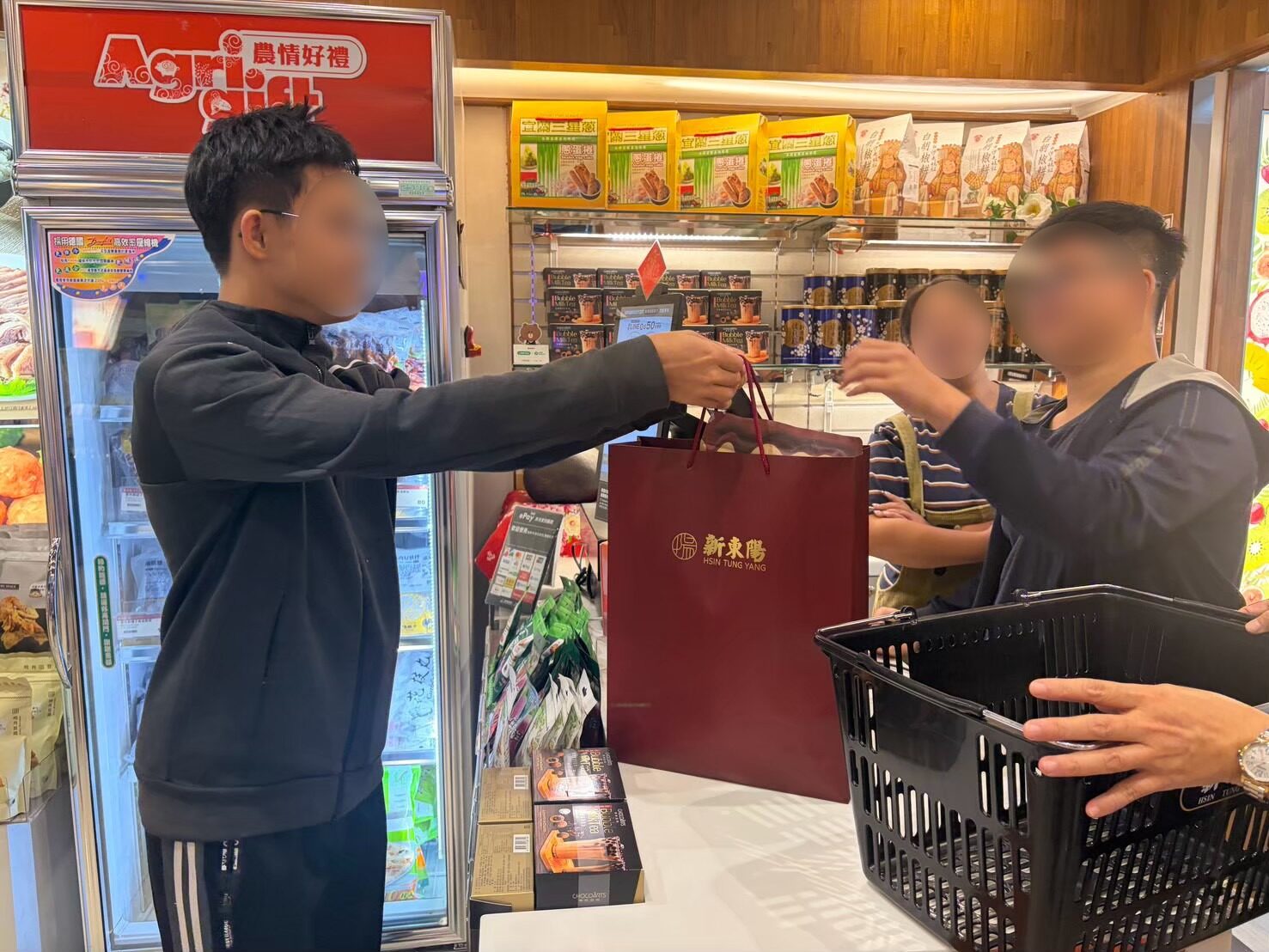
Many participants said they had long known Hsin Tung Yang for its pork jerky, pork floss, and Taiwanese gift products, but the exchange gave them a deeper understanding of the brand’s long-term sustainability efforts.
As it approaches its 60th anniversary, Hsin Tung Yang continues to make food manufacturing and supply chains more transparent, low-carbon, and health-conscious. In doing so, the familiar flavors of Taiwan can also become part of a more sustainable way of life.
Frequently Asked Questions
Where Is Hsin Tung Yang’s Green Factory?
Hsin Tung Yang’s Green Factory is located in Dayuan, Taoyuan. It was the first food factory in Taiwan to receive Green Factory certification from the Ministry of Economic Affairs.
Which Hsin Tung Yang Products Have Received Carbon Footprint Labels?
Six key Hsin Tung Yang products have received Carbon Footprint Labels from Taiwan’s Ministry of Environment. They include meat products and airport-exclusive pineapple cakes.
How Does Hsin Tung Yang Improve Food Transparency?
Hsin Tung Yang improves transparency through Clean Label certification, product carbon and water footprint assessments, Traceable Agricultural Products certification, and processed-food distribution traceability. Together, these systems provide consumers with clearer information about ingredients, environmental impact, and supply chain origins.
- Copied